Automotive Connectors: Types, Features and Selection Criteria
Automotive Connectors: Types, Features and Selection Criteria
Automotive connectors are basic components that provide reliable connection between electrical and electronic systems in vehicles.
They are used in many applications from engine control systems to lighting, from sensors to in-vehicle electronic units.In automotive environment, temperature changes, vibration, humidity and dust can directly affect connection reliability.
Therefore, selecting the correct connector is important for stable operation of the system for a long time.
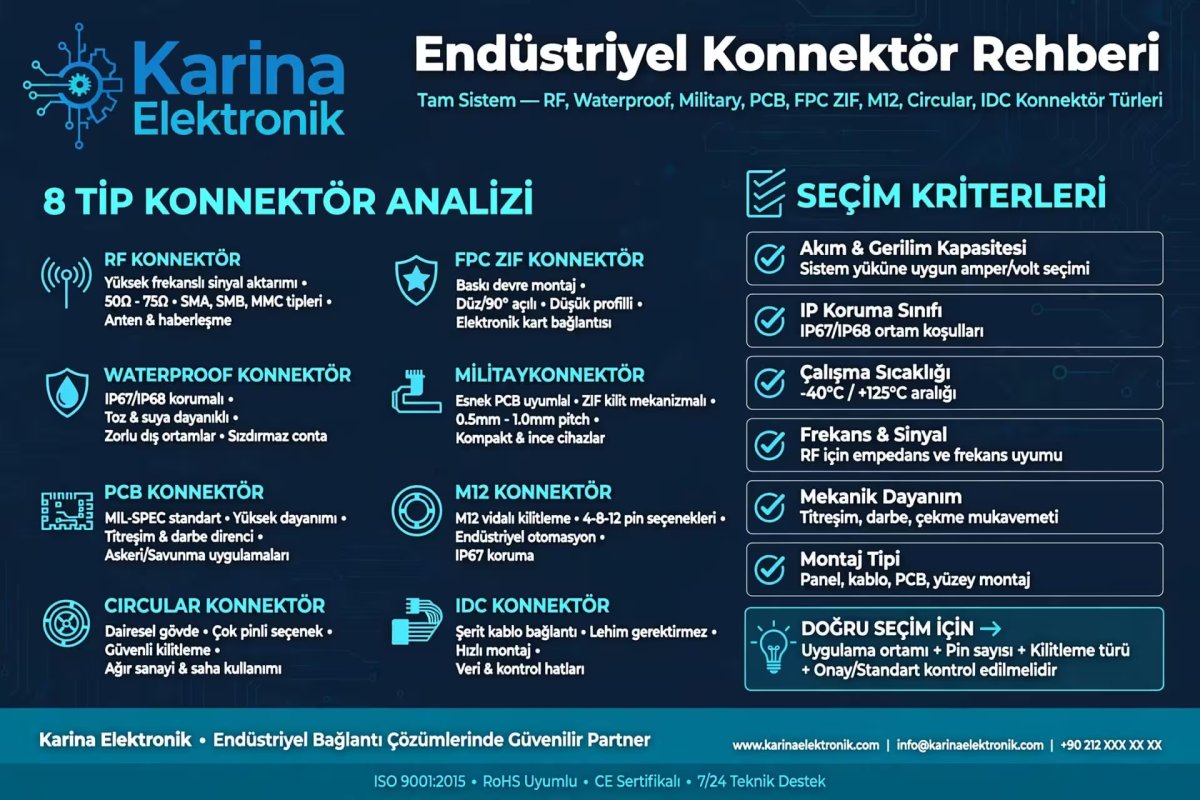
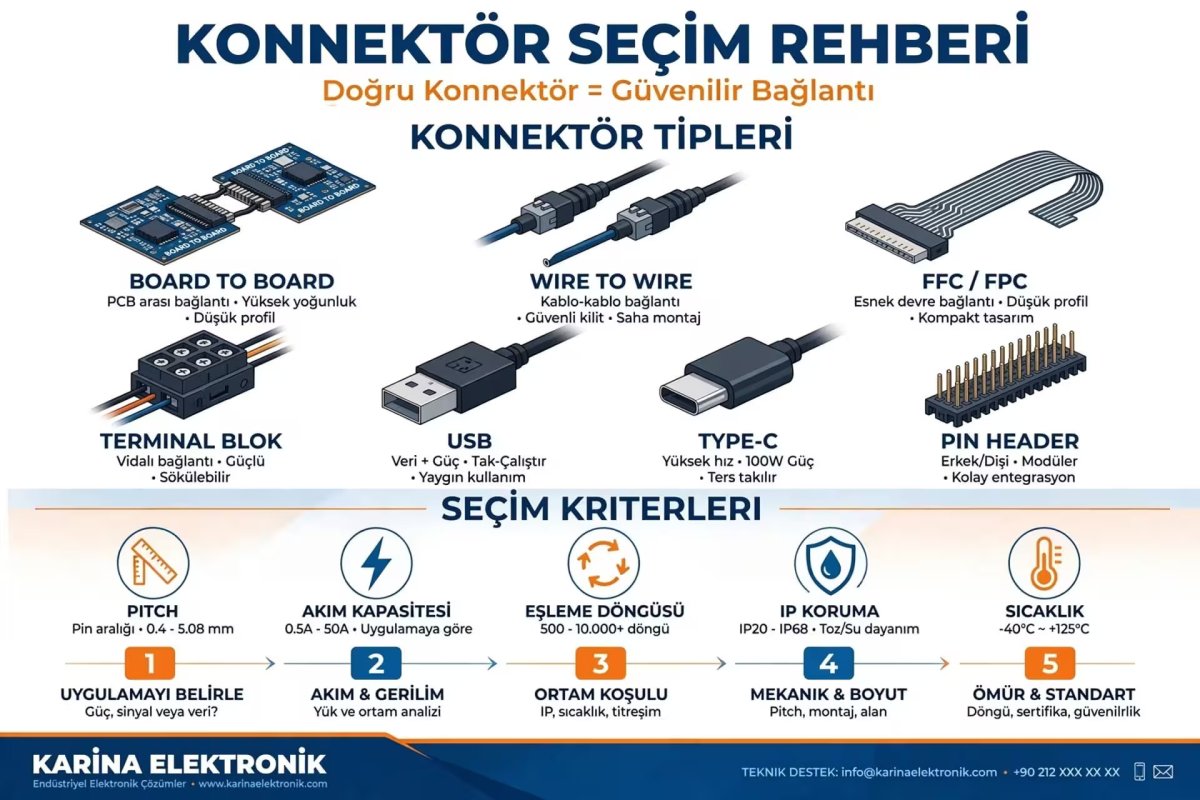
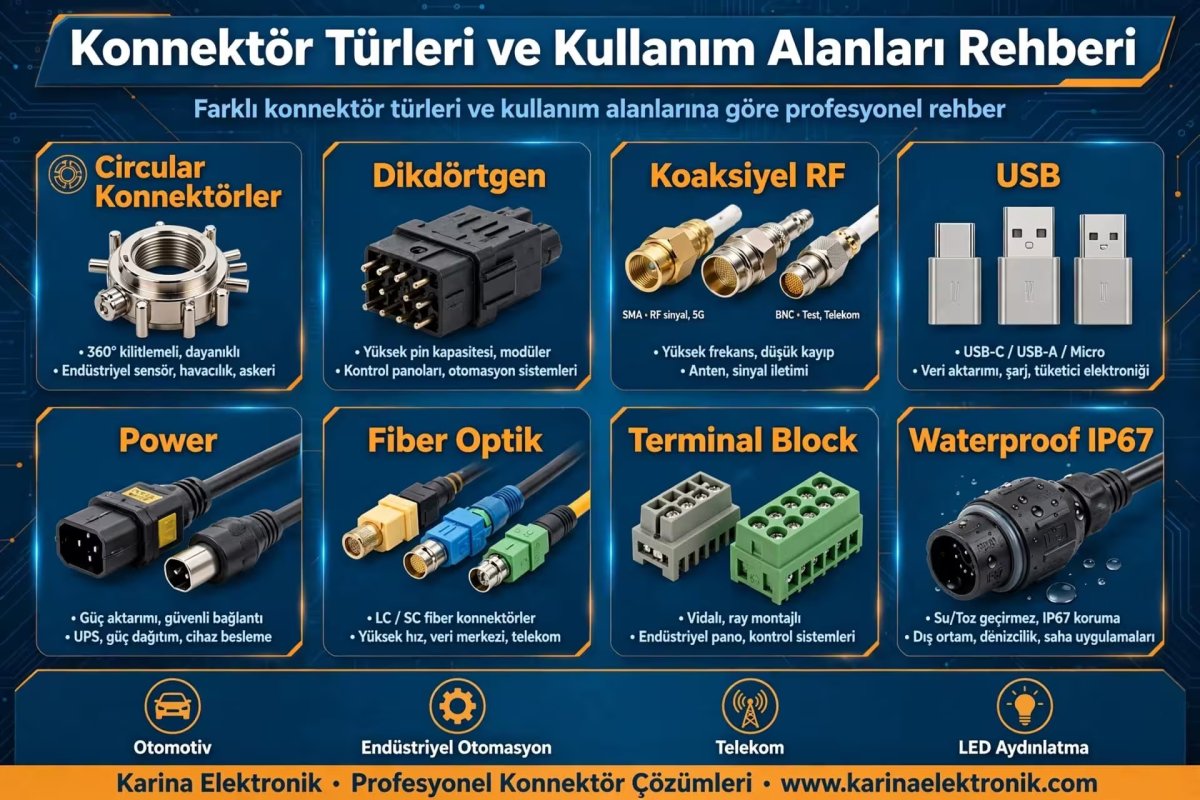
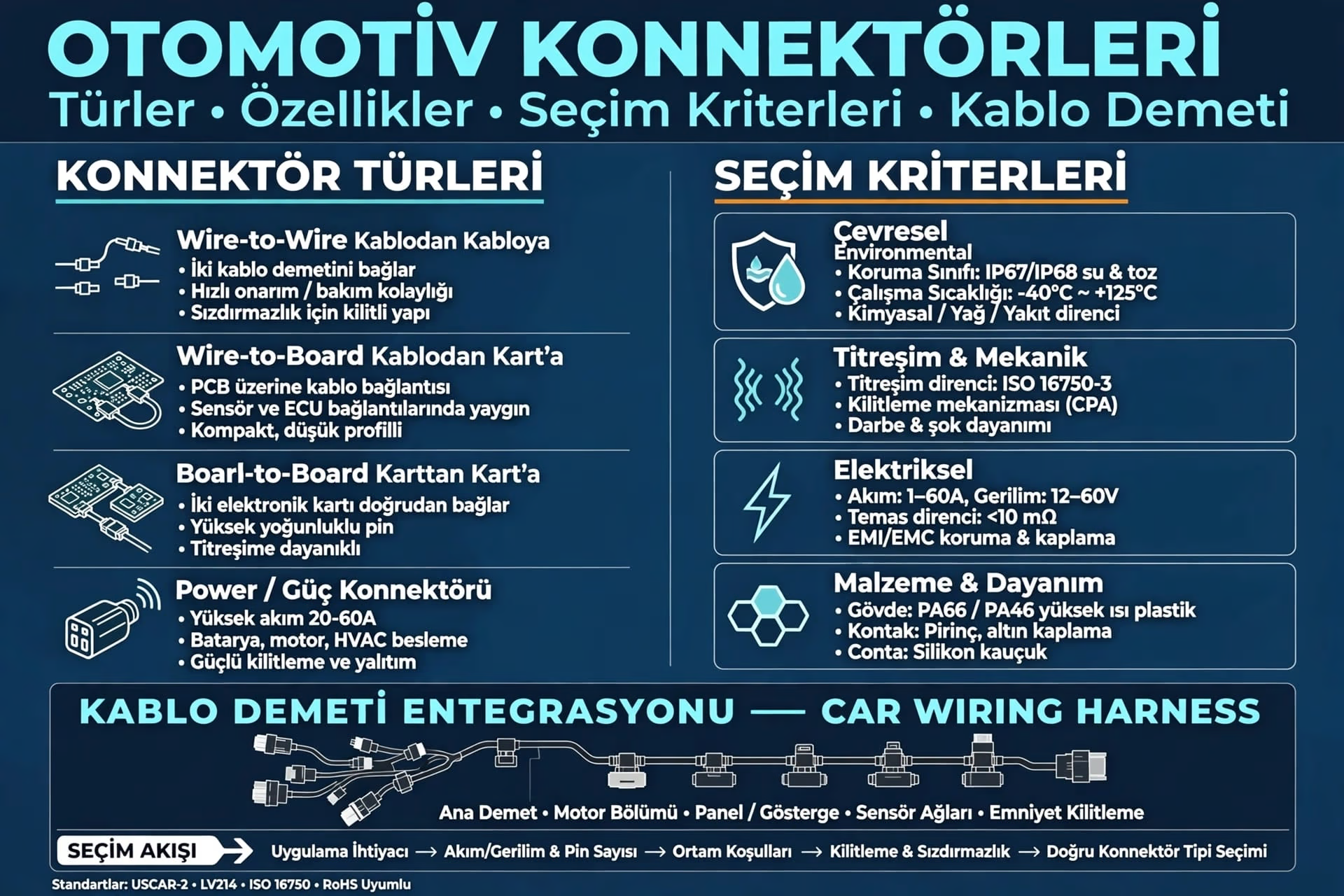
Automotive Connector TypesWire-to-Wire Connectors: Used to create electrical connection between two cable groups.
Commonly preferred in vehicle wiring harnesses and electrical distribution systems.
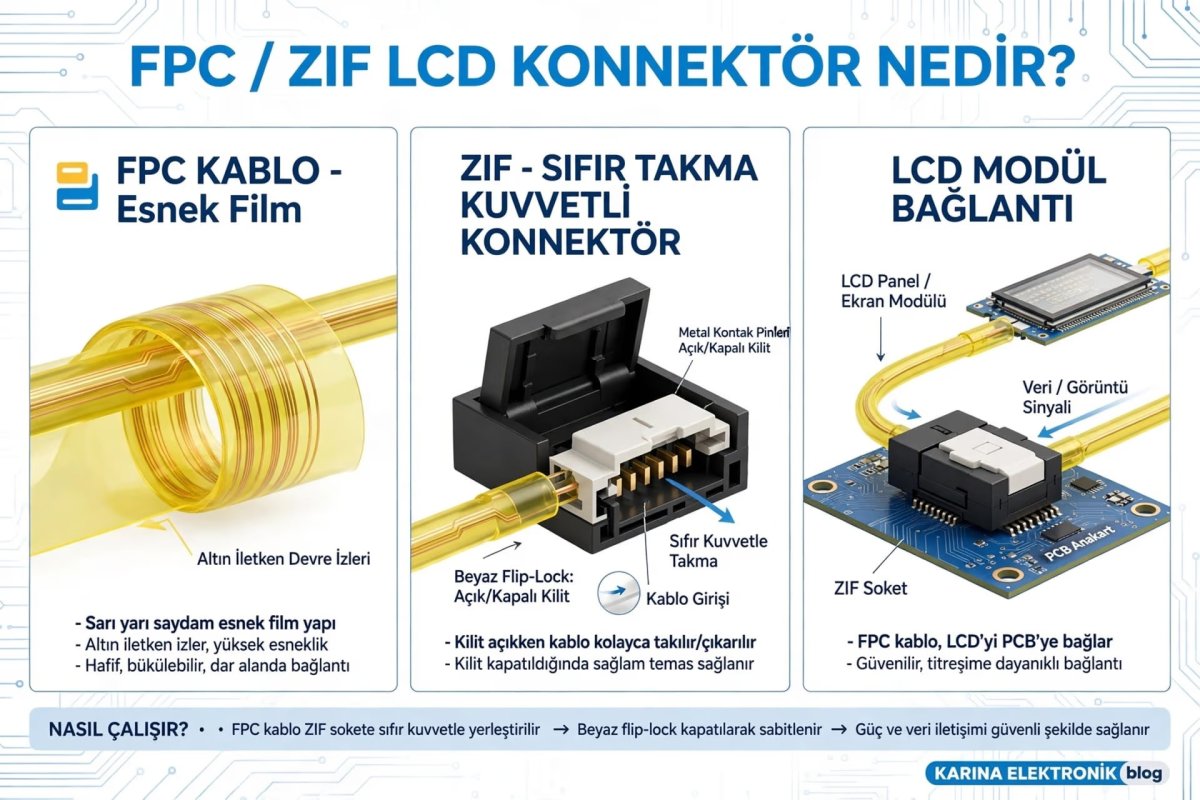
Wire-to-Board Connectors: Provides combining cable connections with electronic control units or electronic circuit boards.
Board-to-Board Connectors: Connects between electronic modules or circuit boards.
Can be designed with different connection pitches and mechanical features according to usage area.
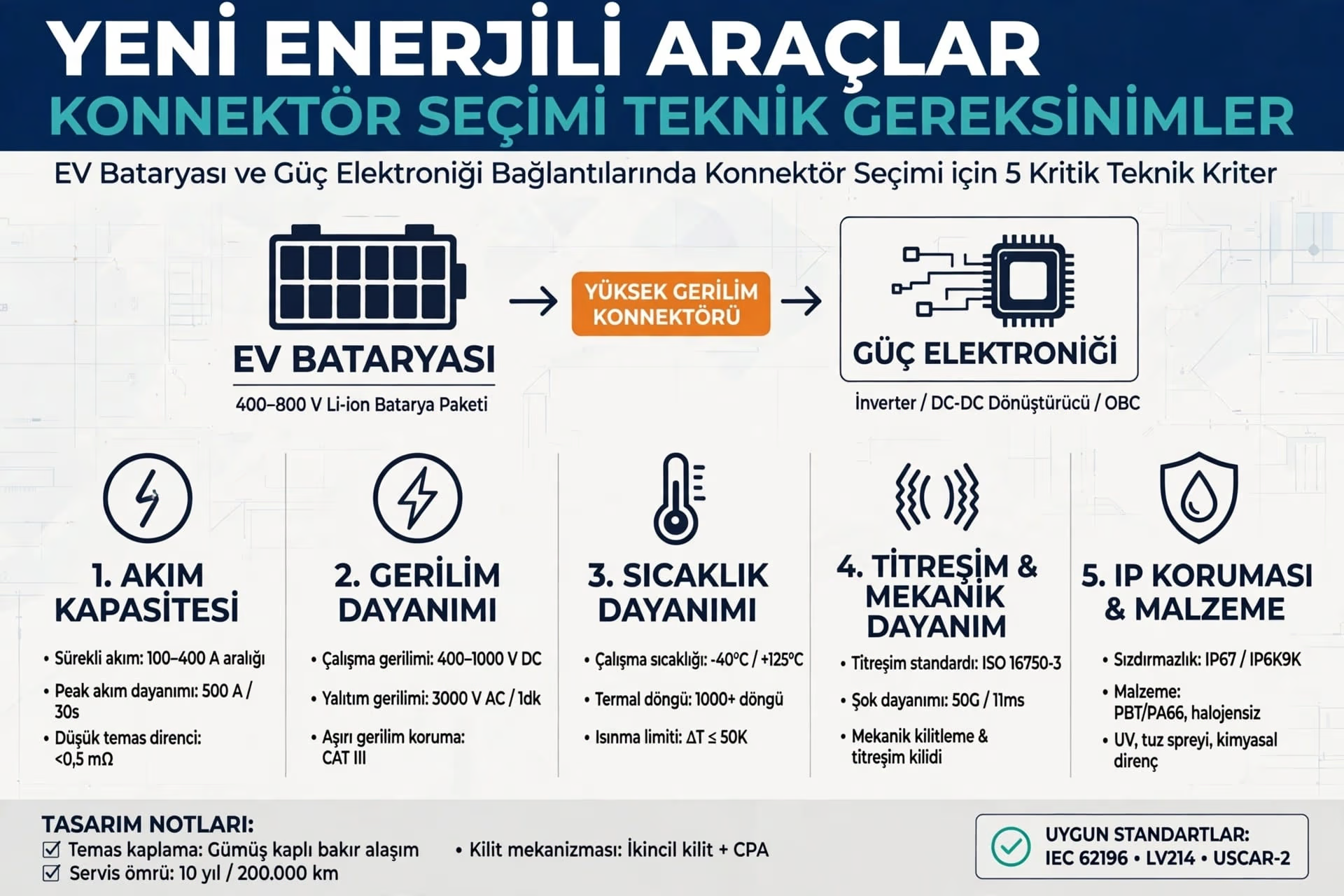
Power Connectors: Used in battery, power distribution and high current applications. Current capacity, contact resistance and temperature rise are main criteria to be evaluated.
Sensor Connectors: Provides connection of sensors in vehicles with control systems. Signal integrity and resistance to environmental conditions gain importance according to application.What to Consider When Choosing Automotive Connector?
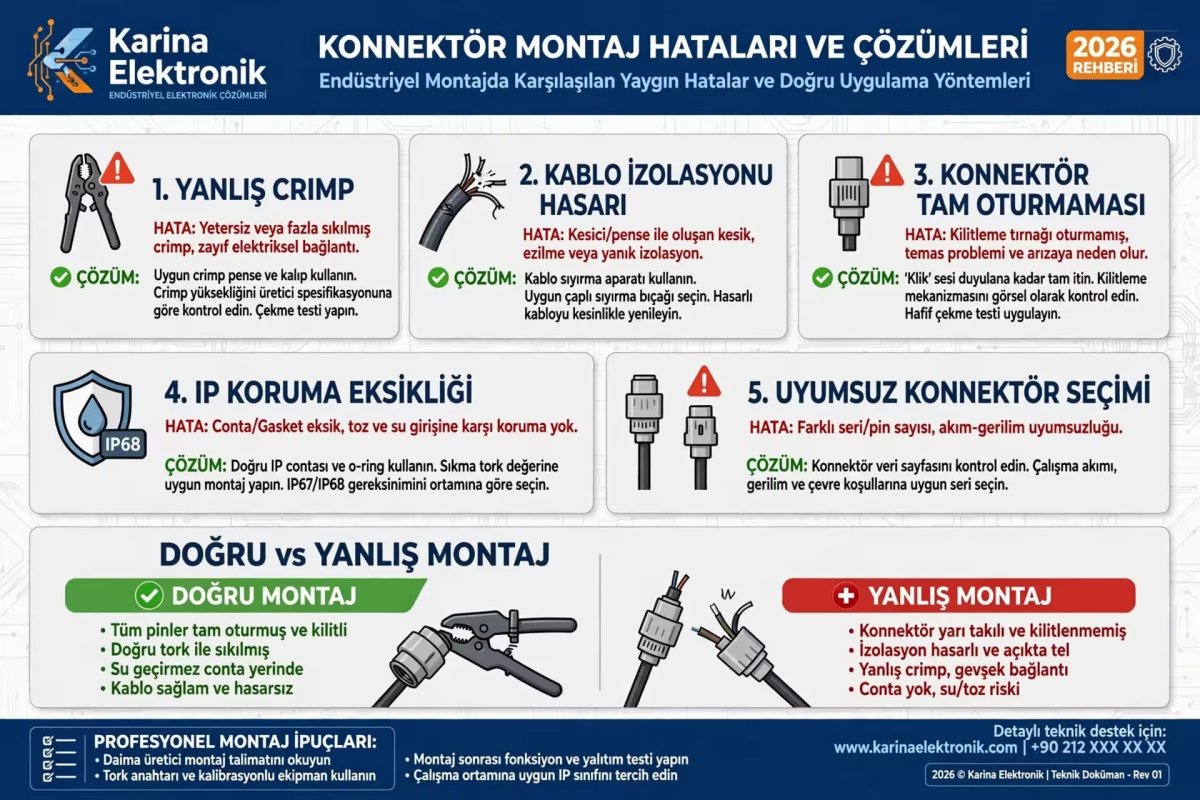
Correct connector selection is not only physical compatibility.
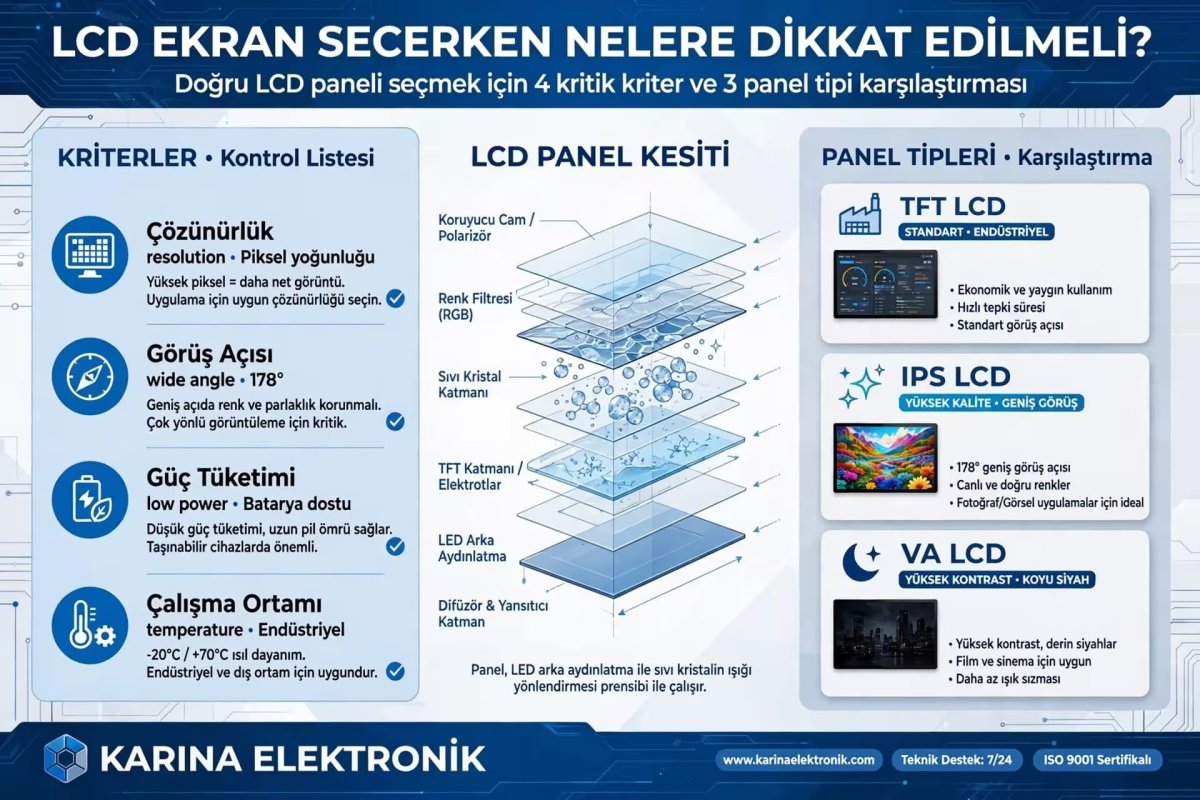
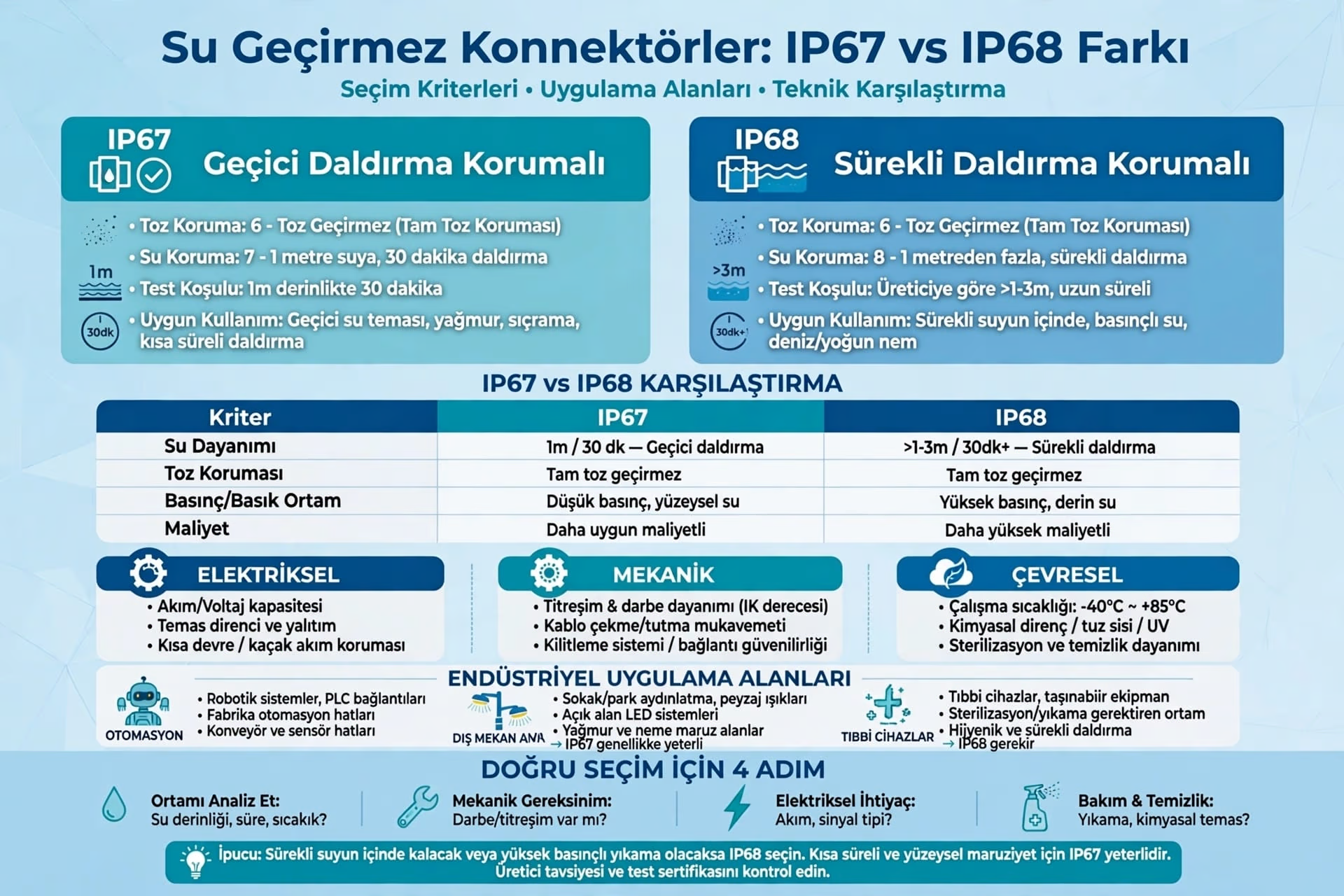
The following criteria should be evaluated together:Environmental Resistance: Temperature range required by application, humidity, dust and water protection level should be determined.Vibration and Locking: Safe locking mechanism and connection stability are important in systems exposed to movement and vibration.Electrical Requirements: Rated current, voltage, contact resistance and signal requirements must be suitable for application.Material and Coating: Terminal material and contact surface coating should be evaluated in terms of electrical performance and corrosion resistance.
Mechanical Compatibility: Connector terminal, housing, cable cross-section and mating counterpart must be compatible with each other.Standards and Verification: Standards required by automotive application, manufacturer technical documents and test conditions should be checked.Each automotive application does not need same protection level or electrical capacity.
Selection should be made based on real working conditions and manufacturer data.
Where Are Automotive Connectors Used?Automotive connectors can be used in passenger and commercial vehicles; in different areas such as lighting systems, sensors, control units, power distribution and wiring harnesses.
Correct product selection contributes to connection reliability and ease of maintenance processes.In motorcycles, caravans, marine applications and special vehicle systems, environmental conditions and power requirements should be evaluated separately.
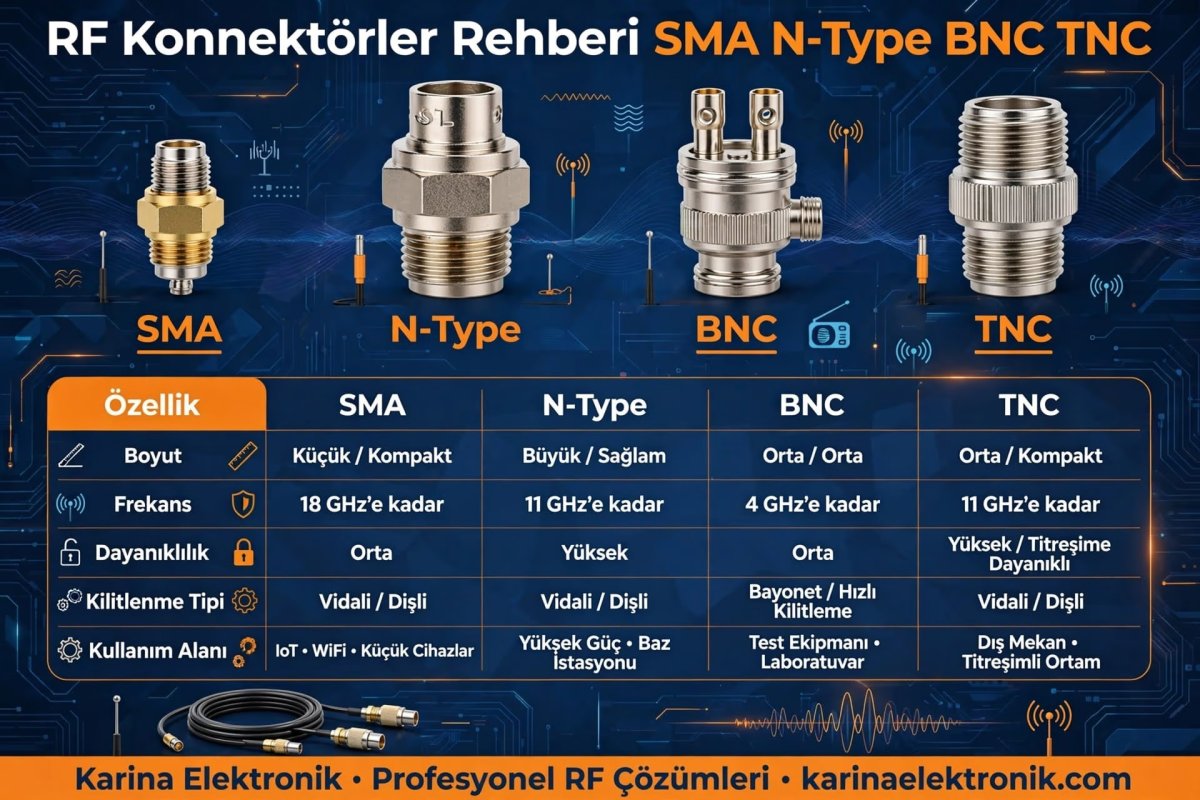
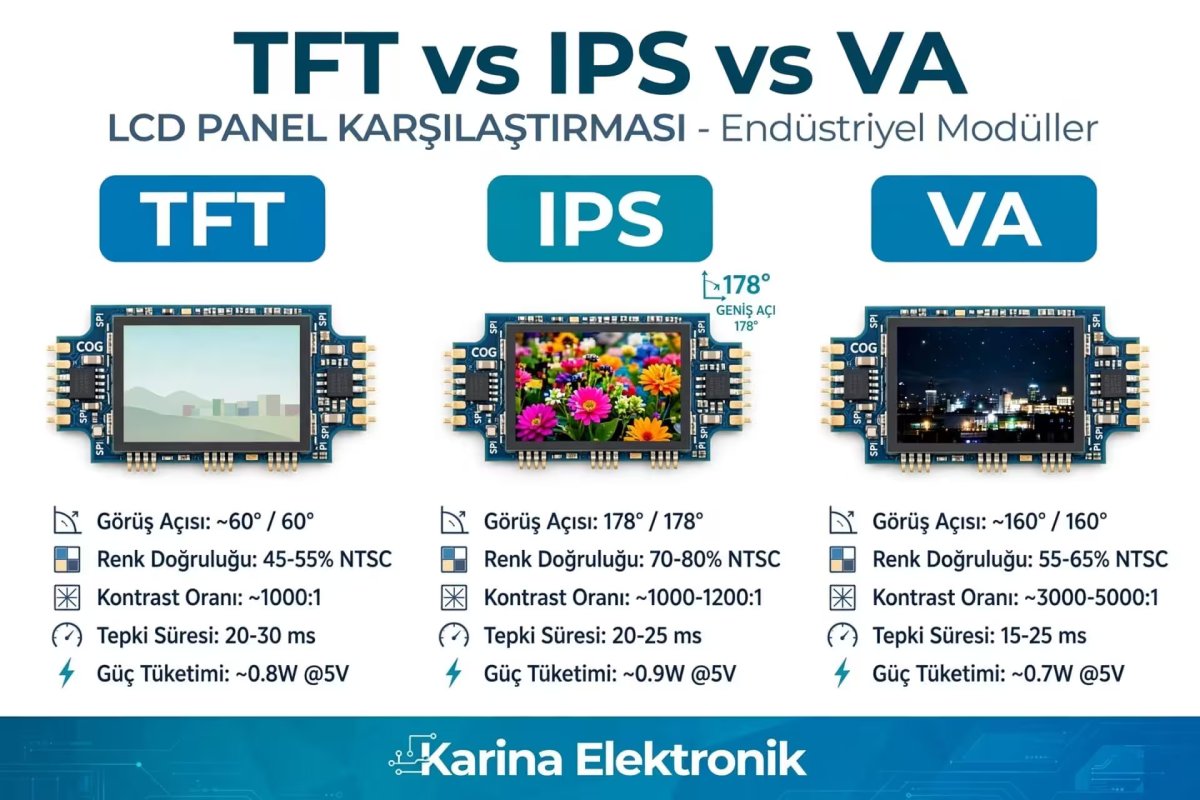
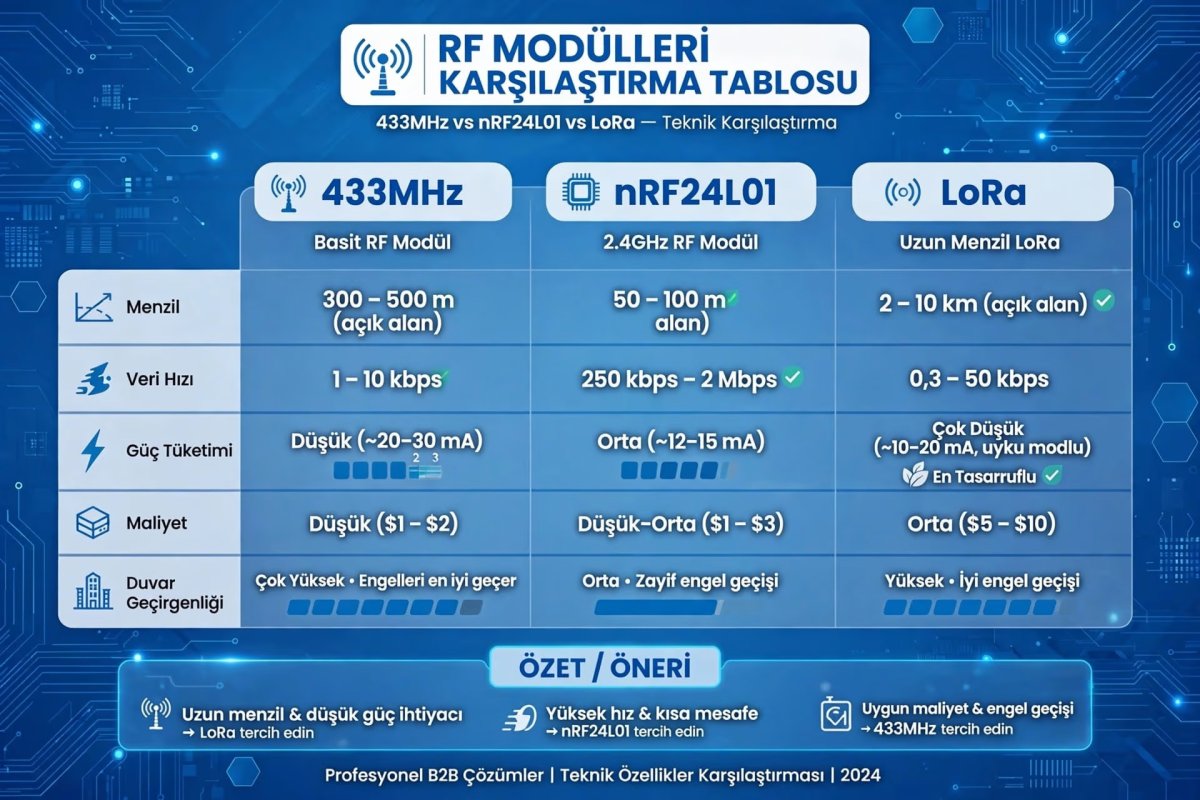
Comparison Table

Electronic Component Supply with Karina Elektronik
Karina Elektronik aims to offer supply solutions for component needs of different sectors within B2B electronic component supply.
When researching components for automotive and industrial applications, it is important to evaluate product technical specifications, usage conditions and system compatibility together.
For information about electronic components and supply options suitable for your project requirements, you can visit Karina Elektronik website or contact us via our contact page.
Visit our website: https://www.karinaelektronik.com/